
Massage Therapy
Massage is the art of healing, the science of movement,
and the gift of relaxation.
What is Massage Therapy?
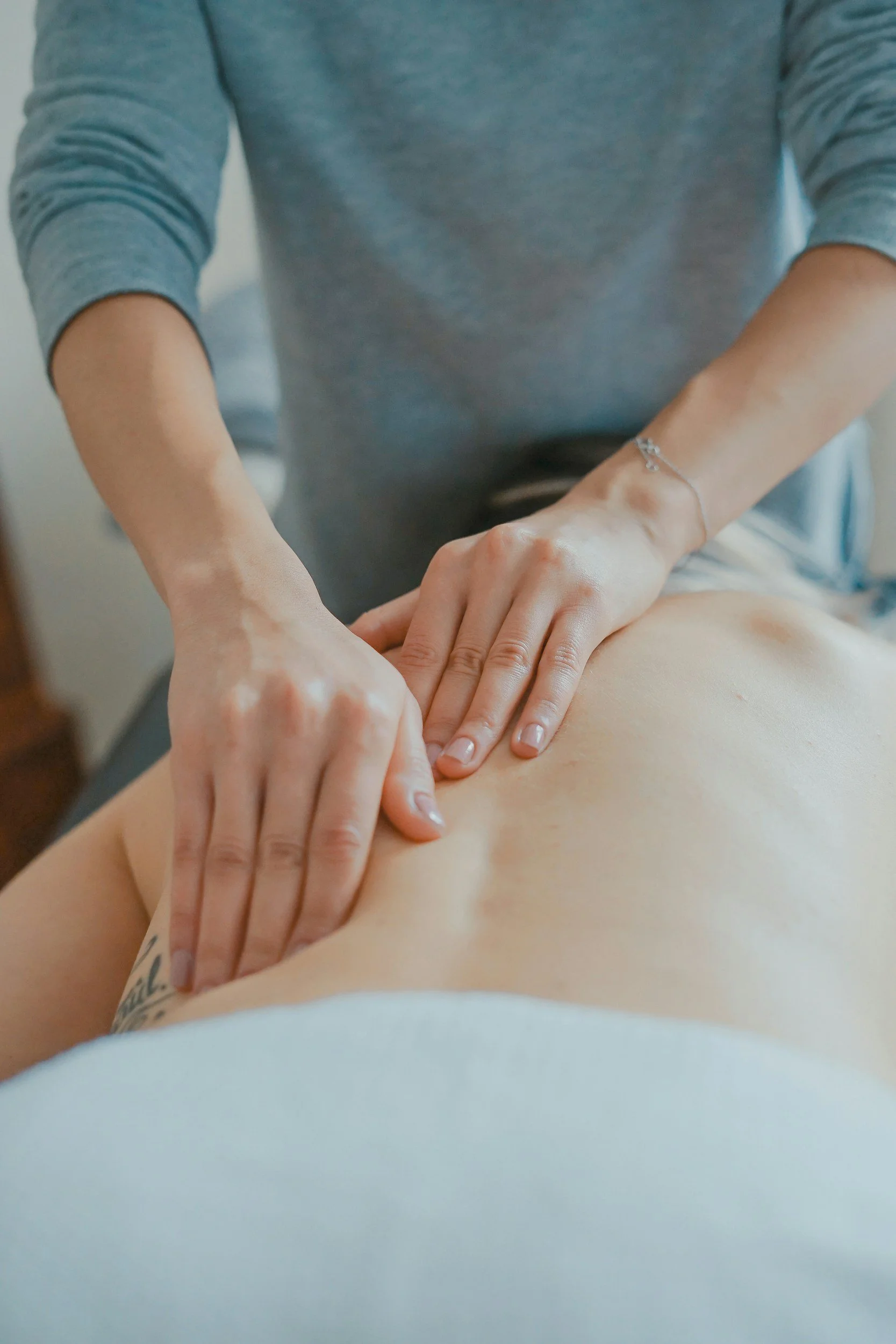
Massage therapy is a hands-on treatment that involves the manipulation of soft tissues, including muscles, tendons, ligaments, and fascia, to promote relaxation, reduce pain, and improve overall function. It is commonly used to relieve muscle tension, enhance circulation, and support physical and mental well-being.
What Does Massage Therapy Involve?
During a massage therapy session, a registered massage therapist (RMT) will assess your needs and use various techniques to address areas of tension, pain, or dysfunction.
Techniques may include:
Swedish massage for relaxation and circulation
Deep tissue massage to target deeper muscle layers
Myofascial release to improve mobility and reduce restrictions
Trigger point therapy to relieve muscle knots and pain
Sports massage for athletic performance and recovery
Prenatal massage to support pregnancy-related discomfort
Each session is tailored to your specific needs and comfort level, ensuring a safe and effective treatment.
What Can Massage Therapy Help With?
Massage therapy can be beneficial for a wide range of conditions, including:
✔️ Muscle tension and stiffness
✔️ Stress and anxiety relief
✔️ Headaches and migraines
✔️ Chronic pain conditions (e.g., fibromyalgia, arthritis)
✔️ Post-injury or post-surgical recovery
✔️ Sports injuries and performance enhancement
✔️ Sciatica and nerve-related pain
✔️ Postural imbalances and mobility issues
✔️ Pregnancy-related discomfort
How Does Massage Therapy Complement Physiotherapy?
Massage therapy and physiotherapy are a great pairing! These two treatment types work hand in hand to enhance recovery and overall wellness. Physiotherapy can look at the bigger picture, assessing how you move and identifying if there are any patterns or underlying issues contributing to your symptoms or creating nagging muscular tension. Massage can:
Reduce muscle tension before physiotherapy, allowing for better movement and function.
Improve circulation and tissue healing, accelerating recovery from injuries.
Enhance flexibility and mobility, making physiotherapy exercises more effective.
Reduce stress and pain, supporting a more holistic approach to rehabilitation.
Many patients find that combining both therapies leads to better results and a faster return to pain-free movement.
FAQ’s
-
Massage therapists do not require a referral, but check the details of your personal insurance plan. Some plans do require a referral from a physician in order to be reimbursed for your visit.
-
Yes, absolutely! Prenatal massage is safe and effective when done by a trained massage therapist. It can help to relieve pregnancy-related discomforts and promote relaxation. Pregnancy massage is often done in sidelying with extra pillows for support and comfort.
-
Massage therapy is commonly covered by extended health benefits plans. Please check the details of your specific plan to ensure you are covered.
-
The suggested frequency of a massage depends on a few variables including your pain level, amount of tissue tension and your goals.
For general relaxation, once a month may be enough. For pain relief or injury recovery, weekly or biweekly sessions may be recommended by your RMT. Your massage therapist can help you with this to optimize your treatment outcomes.
-
Massage therapy appointments can start at 30min in length and go all the way up to 90min.
We offer appointments at the following intervals: 30min, 45min, 60min, 75min and 90min to suit a variety of needs and schedules.
-
Please complete your Intake Form before arriving for your massage. It captures essential information needed for your massage therapist to prepare for your visit.
Arrive well hydrated, wearing comfortable clothing. Your RMT will take care of the rest!
-
Your first session will include a brief assessment of your health history and treatment goals, including your preferences for areas of focus and pressure. The therapist will explain the techniques they plan to use and ensure you are comfortable throughout the entire session.
-
Yes! Our massage therapists are Registered Massage Therapists (RMT’s) with the College of Massage Therapists of Ontario (CMTO).
-
It’s common to feel relaxed, refreshed, and sometimes a little tender after your massage. Here’s what you might notice:
1. Deep relaxation:
You may feel calm, sleepy, or even a bit “floaty.” Take it easy for the rest of the day if you can — your body is still processing the treatment.2. Mild soreness or stiffness:
Just like after a good workout, your muscles may feel slightly tender for 24–48 hours. This is normal and should ease on its own. Gentle stretching, hydration, and light movement can help.3. Increased thirst:
Massage helps your circulation and lymphatic system get moving. Drink plenty of water afterward to stay hydrated and support recovery.4. Emotional release:
Sometimes massage can bring up emotions or memories — that’s your body letting go of stored tension. It’s perfectly normal.5. Gradual improvement:
You may notice better mobility, less pain, and reduced stress in the days following your session. Regular treatments often lead to longer-lasting results.